ets1

DON'T GO YET !

Get €5 off !

Benefit from a promo code of 5€ discount on the website immediately.

ets2

Real lavender, Aspic lavender, or Lavandin: How can you tell them apart?

star
star
star
star
star
Lavender from Provence: Three Flowers, Three Scents, One Story

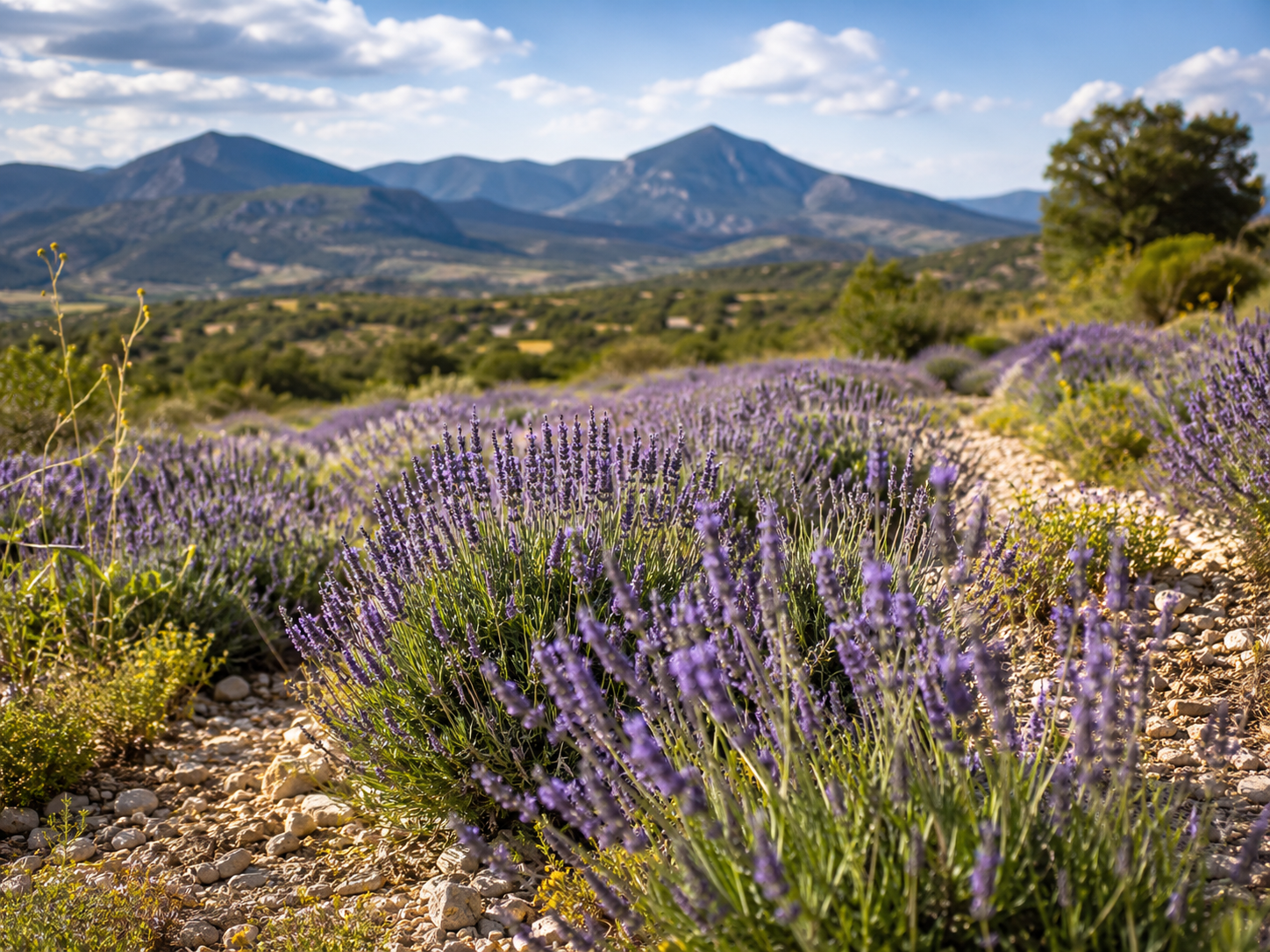
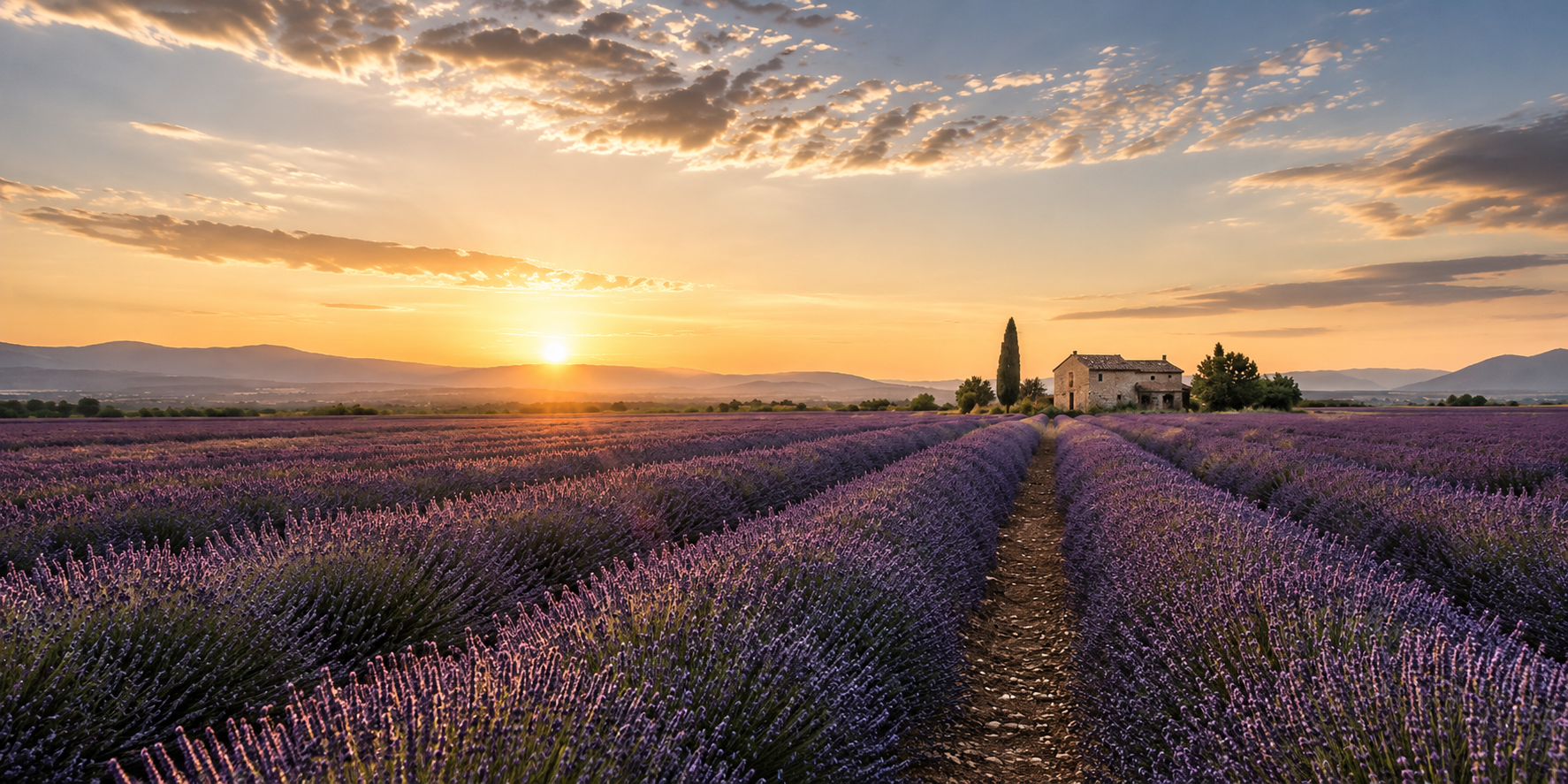
When summer settles in Provence, the dry, rocky land is covered with long blue waves.

Under the bright sunlight, the fragrant spikes sway in the mistral wind, transforming both the plains and the hills into almost surreal landscapes.

Behind this iconic image, however, lie several different plants. Fine lavender, Aspic lavender, and lavandin belong to the same family, but each has its own territory, character, and distinctive scent. Let’s set out to discover these three facets of Provence’s “blue gold.”

Lavender: A Story of Fragrance and Tradition

Since ancient times, lavender has been a part of everyday life. Prized for its fragrance, it has found its place in body care, traditional remedies, and laundry care.

Starting in the 10th century, a better understanding of distillation in Europe gradually facilitated the extraction of lavender oil. Its use then expanded into perfumery, cosmetics, and various artisanal crafts.

But it was especially in the 19th century that lavender cultivation really took off. The perfume industry, particularly around Grasse, required increasing quantities of essential oil. Long harvested in the wild, lavender plants were gradually domesticated, cultivated, and carefully selected.

Since then, their history has become intertwined with that of the growers, distillers, and Provençal families who preserve this botanical heritage.

Fine lavender, the delicate mountain variety

Also known as real lavender, fine lavender has the botanical name Lavandula angustifolia. It grows naturally in mountainous terrain, generally at altitudes ranging from 600 to 800 meters, where nights are cooler and the soil is poor, dry, and calcareous.

It has a delicate appearance, with relatively short stems and a light flower spike. In the landscapes of Haute-Provence, it forms patches that are less uniform than the large fields often photographed on the plateaus.

Its fragrance is prized for its delicacy, complexity, and longevity. It evokes a subtle, floral lavender note, with a freshness reminiscent of the crisp mountain air of Provence. The designation “Haute-Provence Lavender Essential Oil” protects production originating from a precisely defined region and based on specific expertise.

Fine lavender thus represents a precious link between the wild plant of the past and the carefully tended crops of today.

Aspic lavender, the wild variety found on sunny hillsides

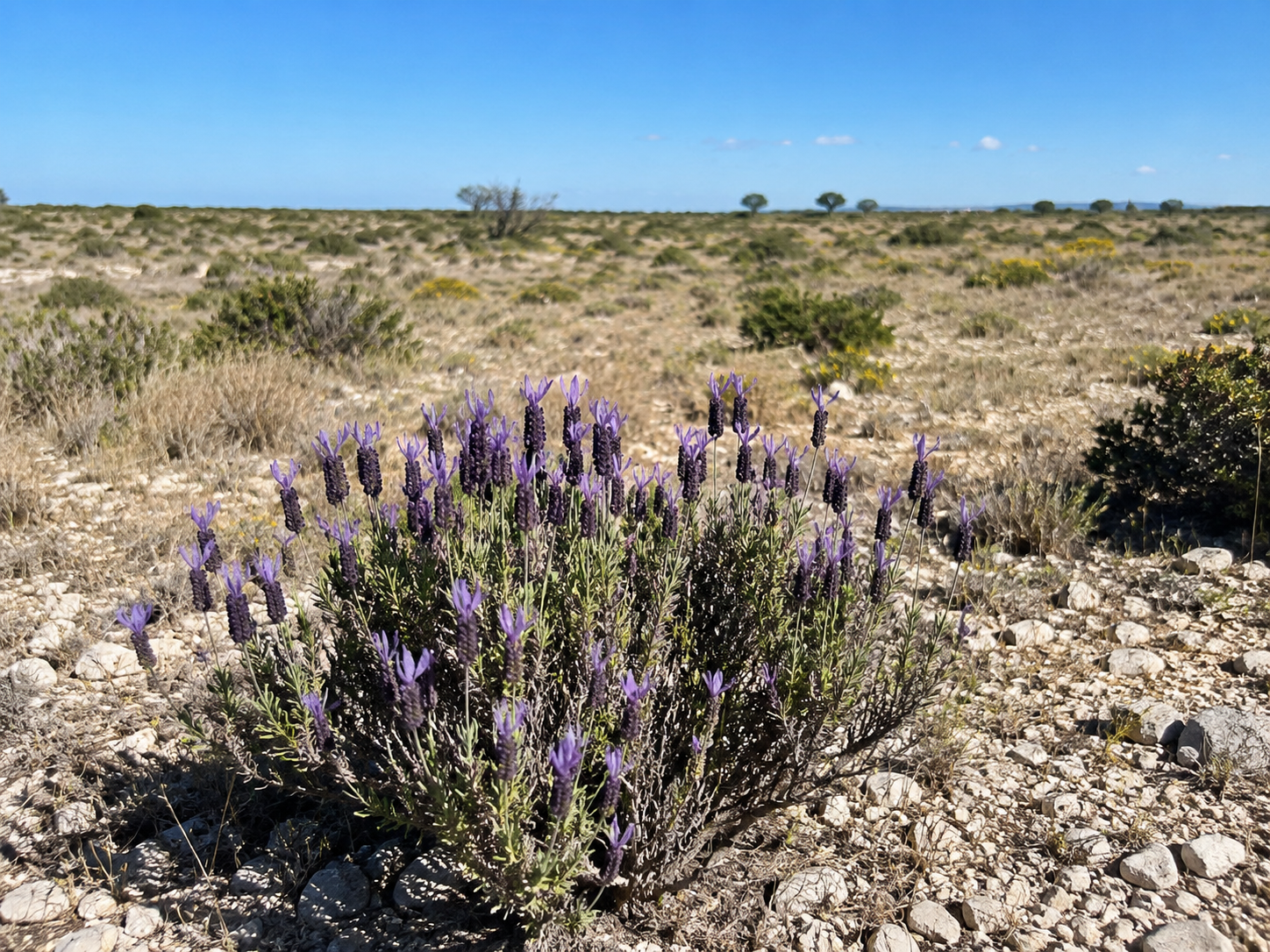
Aspic lavender, or Lavandula latifolia, prefers lower-lying, warmer areas with plenty of sun. It thrives on rocky hillsides, in the garrigue, and in the arid landscapes of the Mediterranean region.

Taller and more robust than real lavender, it gives off a lively, herbaceous, and more assertive scent. Its aroma is more reminiscent of the warmth of stones, the aromatic plants of the garrigue, and sun-drenched paths.

Aspic lavender is less common in the vast cultivated landscapes typically associated with Provence. It retains a wilder image, as if it still belonged entirely to the hills and undulating terrain of the South.

It also plays an essential role in the history of lavandin. When fine lavender and aspic lavender meet in their natural areas of overlap, they can give rise to a hybrid: lavandin.

Lavandin, the generous cross between two types of lavender

Lavandin, whose botanical name is Lavandula intermedia or Lavandula hybrida, is a hybrid of real lavender and aspic lavender. Unlike its two parent plants, it is sterile and does not produce seeds for reproduction. It is therefore propagated by cuttings to preserve the characteristics of each variety.

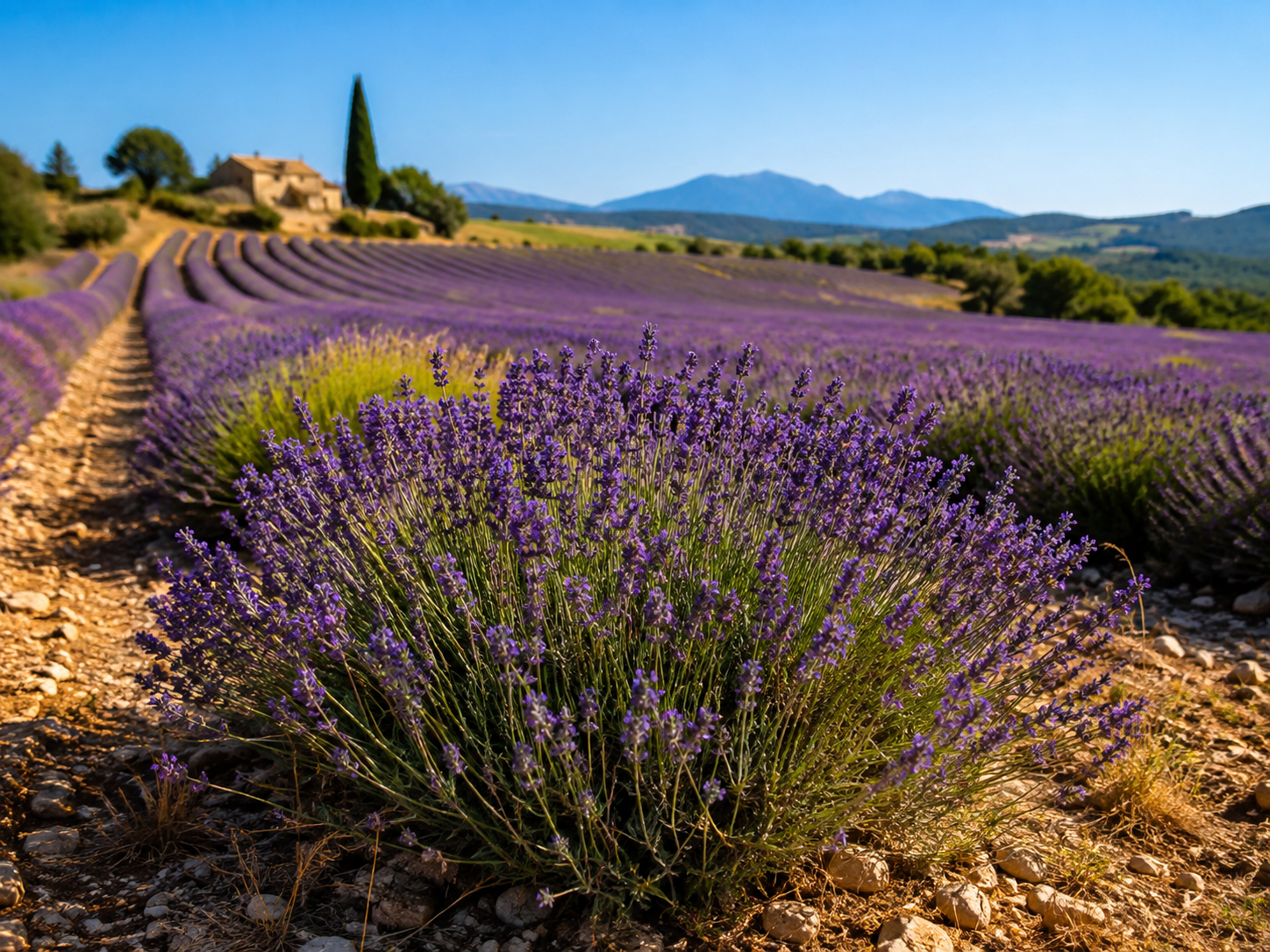
More vigorous, it forms generous, uniform clumps. Its stems are long, its spikes abundant, and its blooms particularly spectacular. It is often these vast, perfectly aligned fields that visitors admire on the Valensole Plateau.

Lavandin grows at lower altitudes than fine lavender and yields a higher output during distillation. This abundance explains its prominent role in perfumery, scented products, and home fragrances.

Its scent is generally more powerful and more direct than that of real lavender. It embodies that instantly recognizable fragrance that evokes Provençal wardrobes, fresh laundry, and sun-drenched homes.

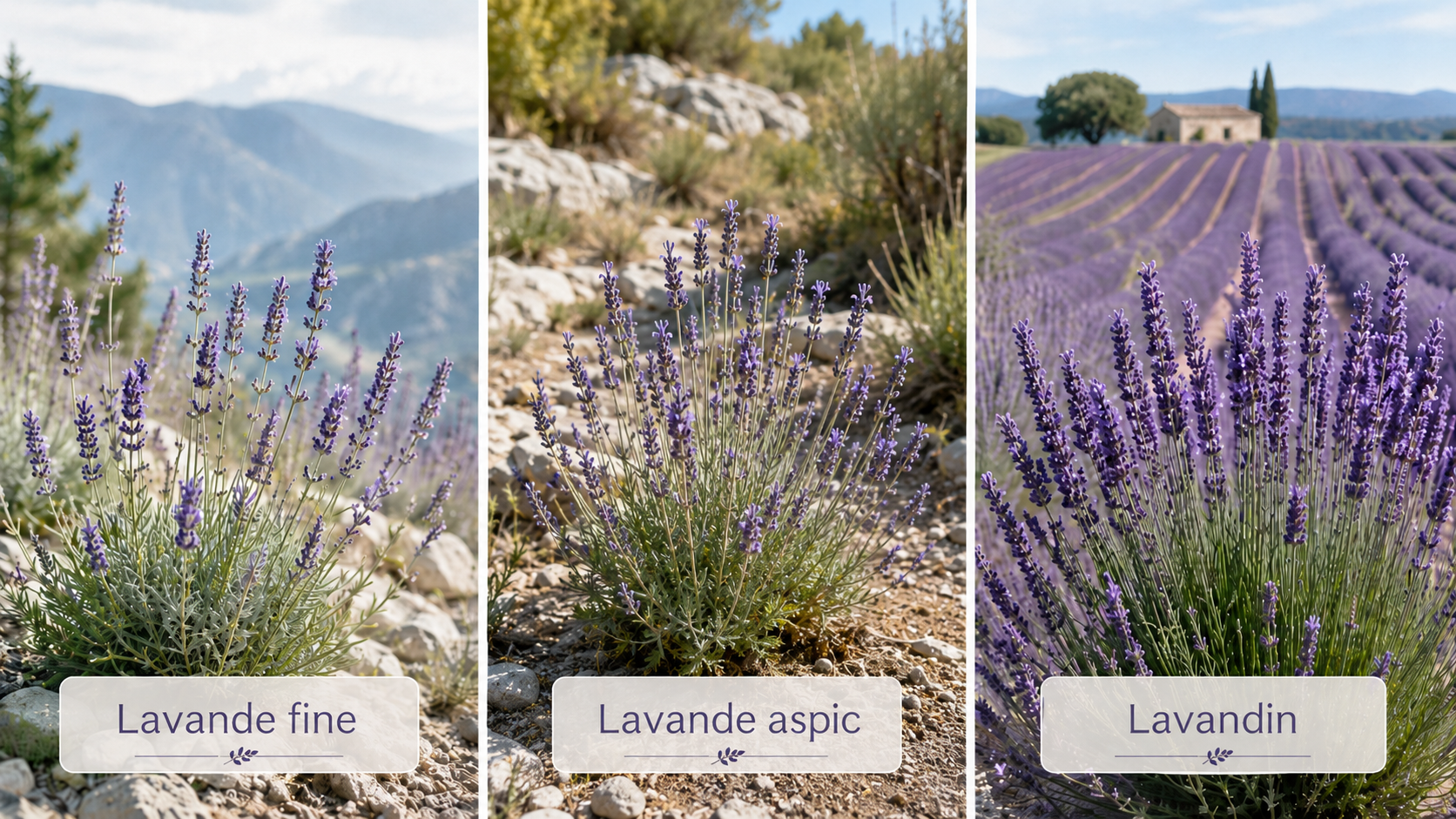
How can you tell the three types of lavender apart?

Real lavender is the most mountainous and delicate variety. Its fragrance is distinguished by its subtlety and aromatic richness.

Aspic lavender is more commonly found in warm hillsides and the garrigue. More wild in nature, it has a lively, herbaceous scent.

Lavandin is the most abundant and widely cultivated variety. Its large, uniform clumps form the vast purple expanses that are the hallmark of Provence postcards.

These differences should not be seen as setting the three plants against one another. On the contrary, they reflect the diversity of a single region. From the coolness of the mountains to the warmth of the plains, each plant expresses the Mediterranean light, soil, and climate in its own way.

From Harvest to Distillation: Provençal Expertise

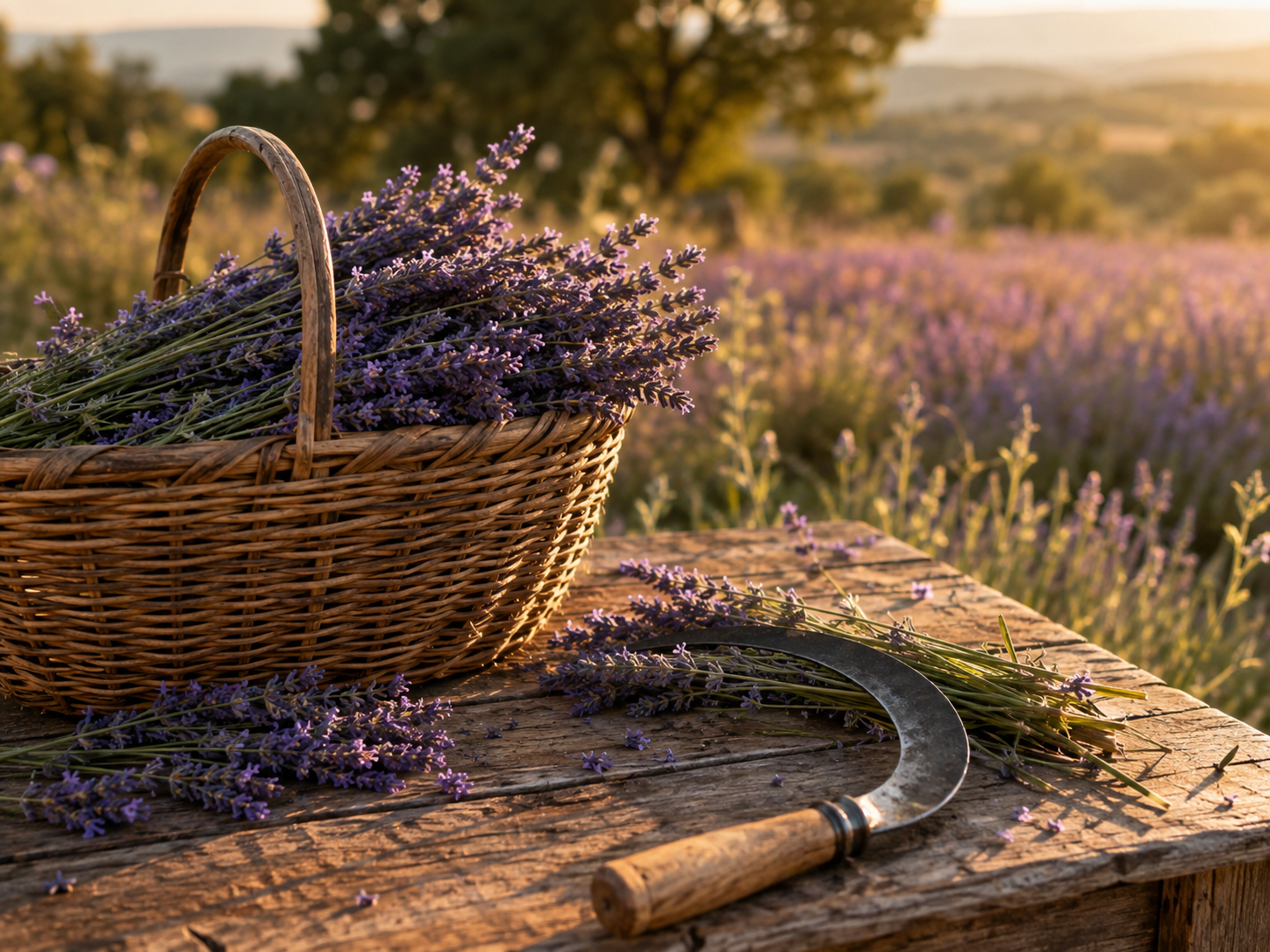
When the flowers reach full bloom, the fields are harvested, and the plants are prepared for distillation. Under the action of steam, the aromatic molecules contained in the flowers are extracted and then collected after cooling.

This process yields, in particular, essential oil and floral water. It preserves a tradition that has become inextricably linked to the lavender-growing regions and the history of Provençal perfumery.

A portion of Folies de Provence’s lavender production is distilled at a cooperative in Haute-Provence.

The essential oils and floral waters are then bottled and labeled at the brand’s workshop in Aubagne.

The dried lavender bouquets and lavender essential oils we offer come from Haute-Provence.

The dried lavandin flowers, available in sachets or bouquets, as well as the lavandin essential oils, come from farms on the Valensole Plateau.

Bring the scent of Provence into your home

Just a few dried flowers tucked away in a closet are enough to bring back memories of a Provençal summer. All you have to do is gently crumple a sachet of lavender between your fingers to release its fragrance.

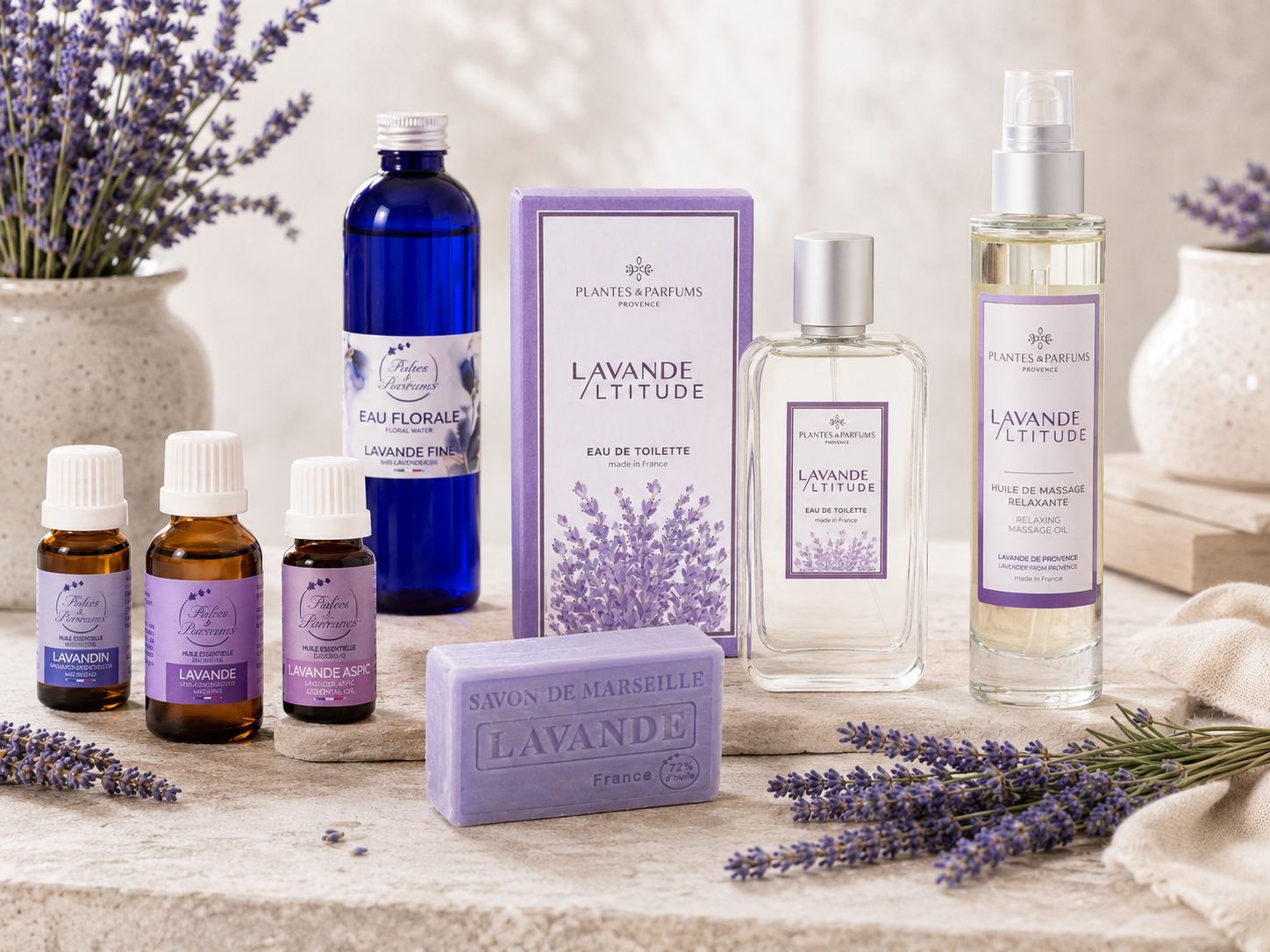
Lavender also inspires many fragrant creations: soaps, eaux de toilette, essential oils, floral water, and home fragrances. These are all ways to extend the experience of the blue fields and bring a little bit of Provence into your daily life.

At Folies de Provence, you can explore this world through a selection of products inspired by flowers, scents, and the Mediterranean way of life.

A Living Heritage to Preserve

Real lavender, aspic lavender, and lavandin are much more than just fragrant plants. They shape the landscape, contribute to Provence’s identity, and sustain a wealth of agricultural and artisanal traditions.

Their beauty also invites us to take a closer look at the land that nurtures them and the men and women who cultivate them. Behind every spike of lavender lie precise techniques, an understanding of the climate, and a long history of tradition passed down through the generations.

From the mountains of Haute-Provence to the sun-drenched plains of Valensole, lavender continues to undulate in shades of blue beneath the sun. A deep, fragrant, and vibrant blue that, now more than ever, deserves its nickname: the “blue gold of Provence.”

Please log in to rate this article

Share this content

0 comment